Women’s Health and Preventive Care: Why Prioritizing Yourself Matters
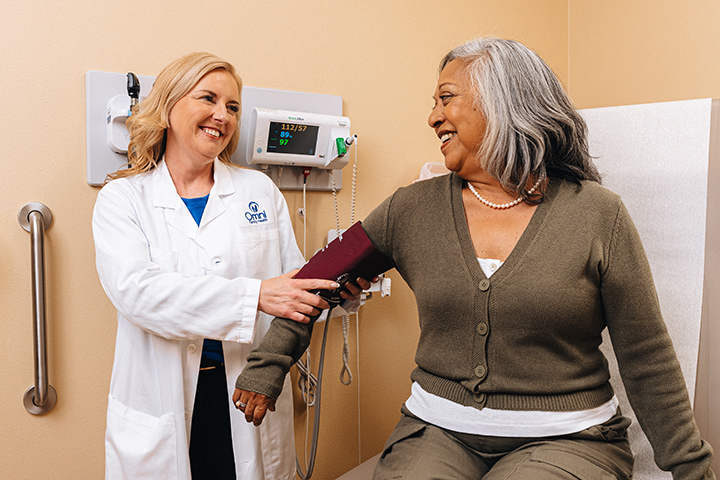
Women are often the caregivers, planners, and problem-solvers for their families. They schedule appointments, remember important dates, and make sure everyone else is cared for. In the middle of all of that, their own health can quietly move to the bottom of the list.
Preventive care is one of the most important ways women can protect their long-term health and continue showing up for the people who depend on them. Routine screenings, wellness visits, and early conversations with a provider can help identify concerns before they become more serious.
For more insight into preventive care, hormone health, and women’s wellness, watch our Healthy Families conversation with Deanna Padilla, FNP-C, where she discusses how small steps today can support healthier outcomes tomorrow.
Why Preventive Care Matters for Women
Many serious health conditions begin quietly, without obvious symptoms. That is why preventive care plays such an important role in women’s health.
Routine screenings such as mammograms, pap smears, and yearly bloodwork help providers identify concerns early, often before symptoms begin. Early detection can lead to simpler treatment, better outcomes, and greater peace of mind.
At Omni Family Health, many of these services can often be completed during one visit, helping women receive connected care that fits into busy schedules and family life.
Understanding Hormone Changes and Menopause
Hormonal changes affect every woman differently. Many women begin experiencing symptoms of perimenopause years before menopause officially begins.
Common symptoms can include:
- Hot flashes
- Mood changes
- Insomnia
- Fatigue
- Weight fluctuations
These changes can affect daily life and emotional well-being, especially when women try to manage them alone.
Support and guidance can help women better understand what their bodies are experiencing and create a care plan that fits their individual needs.
How Hormones Can Affect Weight and Wellness
As hormone levels shift, many women notice changes in metabolism and body composition, particularly around the abdomen. Changes in estrogen and cortisol can make weight management feel more difficult than before.
The good news is that healthy, sustainable habits can make a meaningful difference. Providers often encourage balanced nutrition, regular movement, and strength training to support long-term wellness and bone health.
Strength training is especially important because it helps support bone density and reduce the risk of osteoporosis as women age.
Why Women Often Put Their Own Health Last
Women are often excellent at caring for everyone around them, but many struggle to prioritize their own health. Between work, parenting, caregiving, and daily responsibilities, appointments and screenings can easily get postponed.
The reality is that caring for yourself is an important part of caring for others. When women stay healthy, they are better able to support their families and maintain their own quality of life.
Even small routines like scheduling a yearly wellness visit, taking a short walk, or setting aside time to recharge can have a lasting impact.
Connected Care Designed for Busy Women
Healthcare should feel connected, convenient, and supportive. Managing appointments across multiple offices can feel overwhelming, especially for busy women balancing work, children, and family responsibilities.
At many Omni Family Health health centers, women can access services like primary care, women’s health, behavioral health, dentistry, optometry, and pharmacy support all in one location. This connected approach helps simplify care and makes it easier for women and families to stay on top of their health.
Connected by Care means helping patients spend less time navigating healthcare and more time focusing on their well-being and the people they love.
You can explore care options here:
Find a Provider
Find a Location Near You
Discover More About Omni Family Health
Preventive Care Is an Investment in Your Future
Many women wait until symptoms appear before scheduling care, but prevention is often the most effective path to better health.
Routine screenings, conversations with a provider, and consistent wellness habits can help prevent larger health concerns down the road. One appointment today can make a meaningful difference in your future health and well-being.
Frequently Asked Questions
Many women benefit from yearly wellness visits, bloodwork, mammograms, and pap smears depending on age and medical history.
Symptoms may include hot flashes, mood swings, sleep problems, fatigue, and weight changes.
Yes. Hormonal changes can affect metabolism and body composition, especially during perimenopause and menopause.
Many primary care providers also offer women’s health services, including screenings and hormone support.
Preventive care helps identify concerns early before they become more serious or difficult to treat.
External Resources
- Office on Women’s Health – https://www.womenshealth.gov
- American College of Obstetricians and Gynecologists – https://www.acog.org
- Centers for Disease Control and Prevention – https://www.cdc.gov/women
- National Institute on Aging – https://www.nia.nih.gov