Want to feel better and stay that way? Schedule annual physicalexams
BY JOHN COX
Dec 26, 2025
The Bakersfield Californian
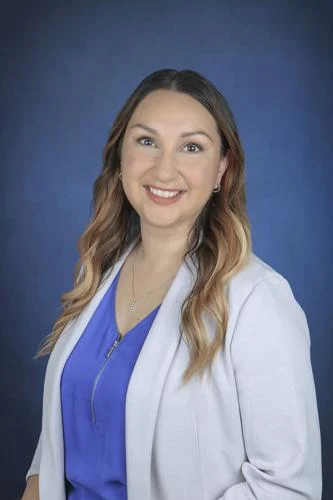
Courtesy of Omni Family Health
Family nurse practitioner Deanna Padilla sees two kinds of patients: Those willing to take her advice about lifestyle modifications, and those who don’t. Among the latter, at least some are honest about it. “We have some patients who say, ‘I know I’m not going to make modifications. Just give me the pill,” said Padilla, associate medical director at Omni Family Health. Certainly, taking a pill is an option, thanks to modern medicine. But if you want to avoid depending on medications to cope with chronic conditions like high blood pressure and pre-diabetes, there’s a better way.
It starts with annual checkups, even for patients who are young and healthy. As Padilla tells them, it should be thought of as a way to establish a baseline for health. Not surprisingly, some don’t want that, either. They tell her they don’t want to come in because they don’t care to know. That’s when she pushes back.
“I tell them, ‘Don’t bury your head in the sand. Let me help you,’” she said.
The value of annual exams was underscored by Dr. Frank Lang, chief of family medicine at Kaiser Permanente Kern County. Especially for people entering their third or fourth decades, he said, checkups are an opportunity to get screened for common ailments like diabetes, pre-diabetes, high cholesterol, high blood pressure, early kidney changes and cancer. Why? Because if they can be identified then, something can be done about them. “Finding either risk factors or conditions that you might have earlier in your life allows them to be managed,” Lang said. He, too, gets resistance from patients who think they don’t need to see a doctor on a regular basis. “I think it’s common for folks to, you know, kind of have, especially as folks are younger, to have a sense of invincibility,” he said. “They don’t feel anything going on, and so why go to the doctor?” His approach is to ask questions about how his patients are feeling in general, like whether it feels like a chore lately to run upstairs.
For Padilla, it’s about building trust. She considers herself a cheerleader for her patients. She works to earn their trust, so they tell her the truth rather than what they think she wants to hear on topics like what they’re eating or how many beers they’re drinking. She asks what’s important to them and how she can support them. Ultimately, though, there come the recommendations they might not want to hear, like limiting their intake of greasy, fatty, fried and fast foods cooked with too much oil. Even then, it’s not a lecture. It’s honest advice, as she sees it, part of what Omni Health calls a patient-centered approach that helps people get where they want to be.
Dr. Lang boiled his recommendations to three simple recommendations, beginning with more physical movement. “We tend to all be sedentary in all the things we do nowadays, focusing on movement to feel better as well as for your own enjoyment in the long run rather than ‘I’ve got to do a particular exercise kind of thing,” he said. It doesn’t have to be about going straight to the gym, Lang said. Exercise can be simply walking, getting out of a chair and stretching or finding an exercise routine on YouTube or a book. Next, he said, it’s important to eat more plants. He doesn’t ask patients to switch to vegetarianism or veganism, he said, adding that just eating more vegetables can actually change how people feel. The third thing he suggests is being mindful about risky behaviors such as smoking, using substances and doing physical activities that put people at risk. “It’s just being mindful about those,” he said. Lastly, he recommends getting good sleep. That can be accomplished by decreasing screen-time before bed, he said, and reducing distractions, then getting into a regular routine.
Dr. Marsha Cheng, director of clinical informatics and population at Clinica Sierra Vista, shared similar advice as Padilla and Lang. That is, she suggested that patients get annual preventive wellness exams, schedule cancer screenings and keep up health habits. She said annual physicals are important not just for adults but also children, so doctors can monitor growth and development and make sure they’re up to date on immunizations. She also urged patients not to forget about their dental health, noting poor dental health has been linked to heart disease. Cancer screening is important for women because of the threats of cervical and breast cancers. Papsmears should start at age 21, Cheng noted, and mammograms at age 40. Everyone should be screened for colorectal cancer beginning at age 45. Like the other screenings, she said these exams are intended to detect changes before they become cancerous. With regard to healthy habits, Cheng advised patients not to necessarily overhaul their lifestyle overnight.
“Small, consistent changes can make a big difference,” she said. “Aim to move more — most healthy adults should strive for about 30 minutes of moderate activity on most days. If that feels overwhelming, start small: Park a little farther away, take the stairs instead of the elevator or add a short walk to your daily routine. These small changes add up over time.”
Like Lang, she emphasized the benefits of sleep. “We recommend seven to nine hours of quality sleep each night. Good sleep supports your mood, weight management and overall health. Try to go to bed at the same time each night, create are laxing bedtime routine, keep your bedroom dark, quiet and cool and limit caffeine for several hours before bedtime.”