Spring Allergies in the Central Valley: What Families Need to Know
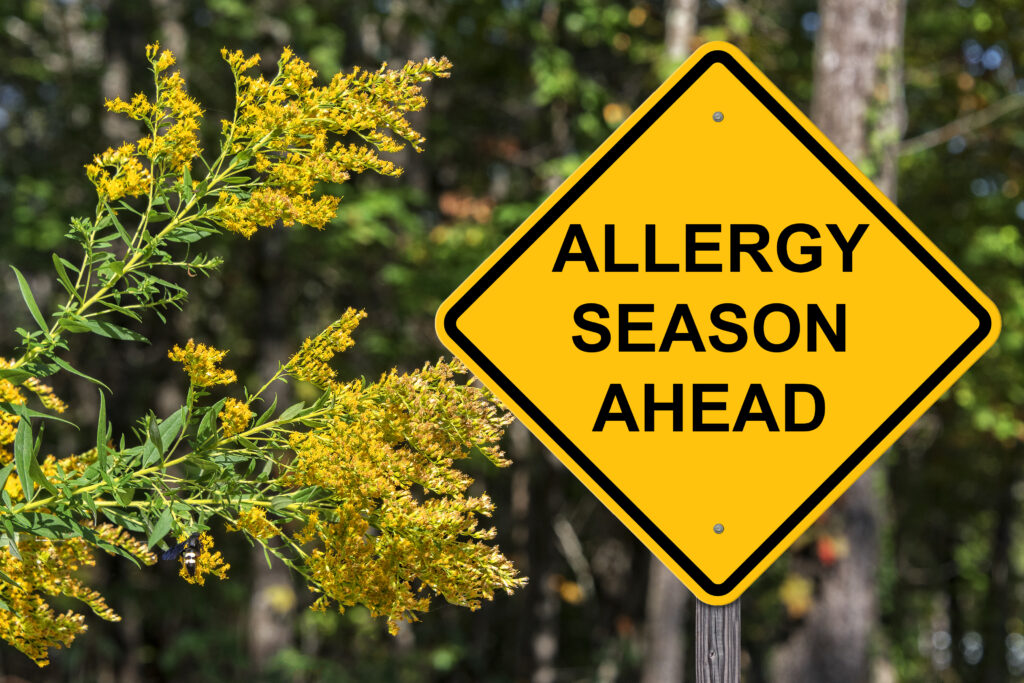
Spring in California’s Central Valley brings warmer weather, blooming trees — and for many families, a wave of sneezing, congestion, and itchy eyes.
If you or your child struggle every spring, you’re not alone. Our region’s geography and agriculture create what many providers call a “triple threat” for allergies.
In our recent Healthy Families interview, Nurse Practitioner Diana Padilla explains why seasonal allergies hit so hard locally and what families can do to manage symptoms early.
Why Are Allergies So Bad in the Central Valley?
Living in Kern County, Fresno County, Kings County, and Tulare County means exposure to:
- Agricultural dust and harvest particles
- Tree pollens (olive, walnut, oak)
- Grasses and weeds
- Valley air that traps allergens
The surrounding mountains create a bowl effect, causing pollen and pollutants to linger in the air we breathe.
Allergy or Cold? How to Tell the Difference
One of the most common questions we hear is:
“Do I have allergies or am I getting sick?”
Here’s a simple guide:
It’s Probably Allergies If:
- Your eyes, ears, nose, or throat itch
- Symptoms last for weeks
- There’s no fever
- You feel otherwise okay
It’s Probably a Cold or Flu If:
- You have a fever
- You experience deep body aches
- Symptoms come on suddenly
- You feel exhausted
If you’re unsure, you can always use our Provider Search tool to connect with a clinician near you.
When Should You See a Doctor?
Many allergy symptoms can be treated at home with over-the-counter options. However, you should seek medical care if:
- Symptoms interfere with sleep or daily life
- Over-the-counter treatments aren’t working
- You develop shortness of breath
- You notice wheezing
For children, seek care immediately if you see:
- Blue or purple lips
- Ribcage pulling inward while breathing
- Struggling to catch breath
You can find a nearby clinic using our Location Search tool or schedule through telemedicine.
Can Allergies Trigger Asthma?
Yes. Seasonal allergies can worsen asthma symptoms. If you or your child has asthma, managing allergies early is critical to preventing flare-ups.
Our providers can help determine the right treatment plan — including prescriptions available through our on-site pharmacies with free home delivery options.
Practical Ways to Reduce Allergy Exposure
You can’t change the Central Valley’s air — but you can reduce exposure at home:
- Keep windows closed on windy days
- Leave shoes outside
- Shower in the evening to remove pollen
- Upgrade to HEPA air filters
- Keep pets off bedding if sensitive to dander
Small habits can make a noticeable difference.
Watch: Healthy Families Interview on Seasonal Allergies
Want to hear directly from our provider?
Ready to Breathe Easier?
Visit Omni Family Health online or schedule an appointment at one of our health centers across the Central Valley. Whether in person or via telemedicine, we’re here to help.
Frequently Asked Questions
Pollen from trees, grasses, agricultural dust, and trapped valley air contribute to higher allergen levels.
Itching and long-lasting symptoms without fever usually indicate allergies.
If symptoms worsen, interfere with breathing, or don’t improve with treatment.
Yes. Allergies can inflame airways and worsen asthma symptoms.