Children’s Dental Health: Why Healthy Smiles Start Earlier Than You Think
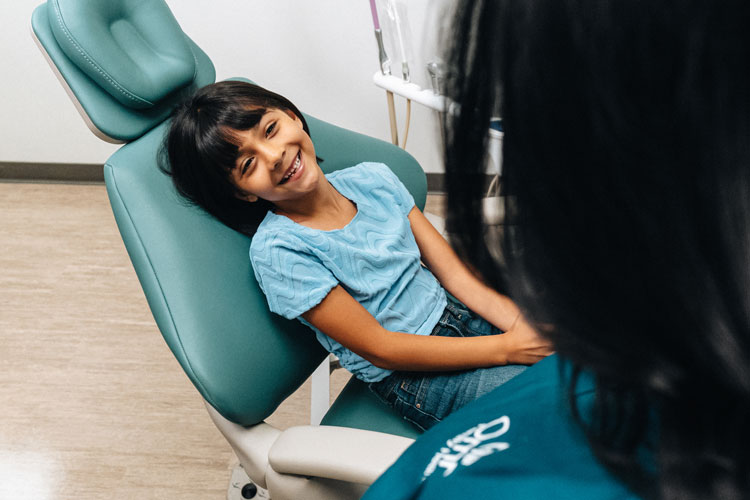
February is National Children’s Dental Health Month — a reminder that building healthy smiles early can impact a child’s confidence, comfort, and overall health for years to come.
But children’s dental care isn’t just about avoiding cavities. Oral health is directly connected to the health of the entire body. When families understand that connection, preventive care becomes a priority — not an afterthought. If your child hasn’t had a recent dental checkup, explore [Omni Family Health Dental Services] to learn how early prevention protects lifelong wellness.
How Is Oral Health Connected to Overall Health?
Many parents are surprised to learn that every tooth has its own blood supply and nerve connected to the body system. Infections in the teeth or gums don’t stay isolated — bacteria can enter the bloodstream and contribute to inflammation throughout the body.
Research continues to show associations between gum disease and conditions like cardiovascular disease, diabetes, and other inflammatory illnesses. That’s why dental care isn’t separate from health care — it’s part of whole-person care.
At Omni Family Health, our integrated care approach supports both oral and overall wellness. Learn more about our [Whole-Person Care Services] and how dental fits into comprehensive health management.
How Is Oral Health Connected to Overall Health?
Tooth pain can be severe — and for children, it can impact:
- Sleep
- School performance
- Nutrition
- Speech development
- Self-confidence
Tooth decay is the most common chronic childhood condition — yet it is largely preventable with early intervention and consistent care.
Routine visits allow providers to:
- Catch small issues before they become painful problems
- Apply protective treatments
- Monitor growth and development
- Build comfort and familiarity with dental visits
Parents can schedule a preventive visit at any Omni location by visiting [Schedule a Dental Appointment at Omni Family Health].
When Should a Child First See a Dentist?
A child should visit the dentist by age one — or within six months of their first tooth erupting.
Early visits are typically simple and gentle. They focus on:
- Education for parents
- Monitoring tooth development
- Applying tooth strengthening treatments
- Making the experience positive and stress-free
Our pediatric dental team is trained to create welcoming, child-centered visits. Learn more about [Pediatric Dental Care at Omni Family Health].
Essential Habits for Healthy Smiles at Home
Building strong oral hygiene habits early makes all the difference.
1. Parents Should Model Good Oral Health
Children mirror what they see. If parents prioritize brushing, flossing, and routine checkups, children are far more likely to adopt those behaviors.
Taking care of your own oral health also reduces cavity-causing bacteria that can be transmitted within families. If it’s time for your own checkup, explore [Family Dental Care Services at Omni].
2. Help Children Brush Until Around Age 8
Most children lack the dexterity to brush thoroughly until about age eight.
Dentists recommend:
- Brushing twice daily with fluoride toothpaste
- A parent doing a quick “double-check” brush
- Daily flossing once teeth begin touching
If your child still struggles with fine motor skills like tying shoes or neat handwriting, they likely still need brushing support.
3. Don’t Skip Professional Fluoride Treatments
Fluoride strengthens enamel, making teeth more resistant to decay.
In communities without fluoridated water, professional fluoride treatments during routine visits are especially important. These quick, topical applications help reinforce developing teeth and reduce cavity risk. Ask about preventive fluoride treatments during your next visit at [Omni Family Health Dental Locations].
What If My Child Is Nervous About the Dentist?
Dental anxiety is common — but early positive experiences can prevent long-term fear.
Omni’s approach to pediatric dentistry includes:
- Allowing children to set the pace
- Explaining procedures in age-appropriate language
- Using simple, non-invasive therapies whenever possible
- Creating a friendly, welcoming environment
For children who require additional support, laughing gas (nitrous oxide) and conscious sedation options are available when clinically appropriate to help make visits more comfortable and stress-free. Meet our dental providers here:
👉 [Meet Our Omni Dental Providers]
Why Early Prevention Matters for Lifelong Health
Untreated cavities can lead to:
- Infection
- Bone involvement
- Abscess formation
- Chronic inflammation
Long-term inflammation is increasingly linked to broader systemic health concerns, including cardiovascular disease.
Preventing small issues today helps avoid larger complications tomorrow.
If it has been more than six months since your child’s last visit, now is the time to reconnect with care.
👉 [Make a Dental Appointment at Omni Family Health]
Frequently Asked Questions About Children’s Dental Health
At what age should my child start seeing a dentist?
By age one or within six months of the first tooth erupting.
How often should children visit the dentist?
Most children should visit every six months unless their provider recommends otherwise.
Why are baby teeth important if they fall out?
Baby teeth guide permanent teeth into position, support speech development, and allow proper chewing and nutrition.
Does oral health affect overall health?
Yes. Infections in the mouth can contribute to systemic inflammation and have been associated with cardiovascular disease and other chronic conditions.
How can I prevent cavities in toddlers? Brush twice daily with fluoride toothpaste (using a rice-sized amount), avoid sugary drinks, schedule routine checkups, and take caution that caregivers are cavity free and up to date on dental care.
More Resources
For additional information about children’s oral health and the connection between dental and overall health, explore:
- Centers for Disease Control and Prevention – Children’s Oral Health
https://www.cdc.gov/oralhealth/basics/childrens-oral-health/index.html - American Dental Association – Children’s Oral Health Topics
https://www.ada.org/resources/research/science-and-research-institute/oral-health-topics/childrens-oral-health
American Heart Association – Oral Health and Heart Disease
https://www.heart.org