Back-to-School Dental Exams: Why Summer Is the Best Time to Protect Your Child’s Smile
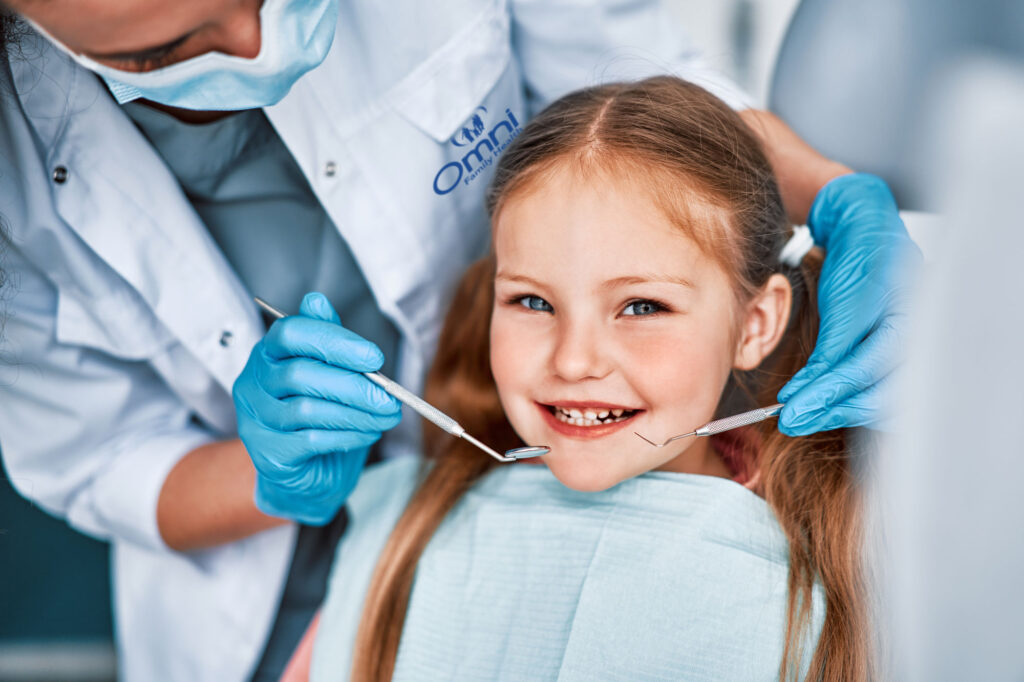
As families begin preparing for a new school year, most parents are focused on school supplies, schedules, and sports registrations. However, one important item often gets overlooked: a dental checkup.
Summer is one of the best times to schedule preventive dental care for children. With school out of session, families can take care of cleanings, exams, X-rays, and any necessary treatment without students missing valuable classroom time. According to Jenee Newman, Dental Quality & Outreach Supervisor at Omni Family Health, summer dental visits can help identify small issues before they become painful problems that disrupt a child’s learning and daily activities.
Why Summer Is the Ideal Time for Dental Visits
The school year brings enough challenges without adding unexpected dental problems to the mix. Summer provides families with a valuable opportunity to schedule routine dental exams and address any treatment needs before children return to the classroom.
If a dentist discovers cavities, early signs of tooth decay, or other concerns, there is often enough time during the summer to complete treatment without pulling students out of school. This can help children avoid missed assignments, missed learning opportunities, and unnecessary discomfort during the academic year.
Preventive care is always easier, less invasive, and often less expensive than waiting until a problem becomes severe.
Why You Should Not Wait Until a Tooth Hurts
One of the most common misconceptions about dental care is that appointments are only necessary when pain develops.
Unfortunately, tooth pain often means a problem has already progressed significantly.
As Jenee Newman explains, when a cavity becomes painful, bacteria may have already reached the inner nerve of the tooth. At that point, treatment becomes more complex than it would have been if the cavity had been detected earlier during a routine examination.
Regular dental visits allow providers to identify decay in its earliest stages, often before children experience any symptoms at all.
Dental Exams Help Identify More Than Cavities
Most parents understand that dental exams help detect cavities. However, routine visits can uncover many other oral health concerns that may not be visible at home.
One common condition is gingivitis, a mild form of gum disease caused by plaque buildup along the gumline. Left untreated, gingivitis can progress into more serious periodontal issues later in life.
Dentists can also identify early-stage tooth decay, sometimes called incipient caries. These small areas of damage are often invisible to parents and children but may be detected through X-rays or close examination. In some cases, early intervention can help stop or reverse the damage before a filling is needed.
Preventive care allows providers to identify concerns when treatment is simplest and most effective.
Building Healthy Habits at Home
Dental health begins long before a child sits in a dental chair.
Parents play a critical role in helping children establish healthy habits that will benefit them throughout their lives. One simple rule often recommended by dental professionals is:
Brush twice a day for two minutes and visit the dentist twice a year.
Consistency matters. Children who develop strong oral hygiene habits early are more likely to maintain them as adults.
One of the best ways parents can encourage brushing is by participating alongside their children. Brushing together can help reinforce proper technique while creating a healthy routine.
Jenee Newman also notes that brushing should focus on the gumline, where bacteria commonly collect, rather than simply brushing the visible surfaces of the teeth.
What About Mouthwash?
Many people assume mouthwash is a necessary part of oral hygiene. However, it may not always be the most important tool.
While fluoride rinses can be beneficial in some situations, maintaining consistent brushing and flossing habits remains the foundation of good oral health. Parents should speak with their dental provider about which products are appropriate for their child’s age and dental needs.
The most effective prevention strategies continue to be regular brushing, flossing, professional cleanings, and routine dental exams.
How Often Should Children See a Dentist?
For most children, dental visits should occur every six months.
Children who have experienced cavities or are considered at higher risk for dental disease may benefit from more frequent visits. Regular appointments allow providers to monitor oral health closely and intervene before small concerns become larger problems.
Every child is different, which is why ongoing preventive care is so important.
Connected by Care: Convenient Dental Services for Families
At Omni Family Health, dental care is part of a broader commitment to helping families stay healthy through every stage of life.
Many Omni Family Health locations offer dental services alongside medical care, behavioral health services, pharmacy services, and other healthcare resources. This connected approach helps families access care more conveniently while supporting overall health and wellness.
Whether your child needs a routine cleaning, preventive care, or treatment for a developing concern, taking action early can help them start the school year with a healthy smile and the confidence to succeed.
Learn more about dental services
Frequently Asked Questions
Most children should see a dentist every six months for routine cleanings and examinations.
No. Tooth pain often indicates that a cavity or infection has already progressed. Regular checkups help identify problems before symptoms appear.
Dentists can detect cavities, gingivitis, early tooth decay, bite issues, and other oral health concerns before they become more serious.
Summer allows families to schedule exams and complete any necessary treatment without children missing school.
Parents can encourage consistency by brushing alongside their children, establishing routines, and scheduling regular dental visits.
External Resources
American Dental Association
https://www.ada.org
American Academy of Pediatric Dentistry
https://www.aapd.org
Centers for Disease Control and Prevention Oral Health
https://www.cdc.gov/oralhealth
MouthHealthy by the American Dental Association
https://www.mouthhealthy.org
California Department of Public Health Oral Health Program
https://www.cdph.ca.gov/Programs/CCDPHP/DCDIC/CDCB/Pages/OralHealthProgram.aspx