Allow yourself grace: Dietitians advise sustainable changes overstrict dieting
BY JOHN COX
Dec 26, 2025
The Bakersfield Californian
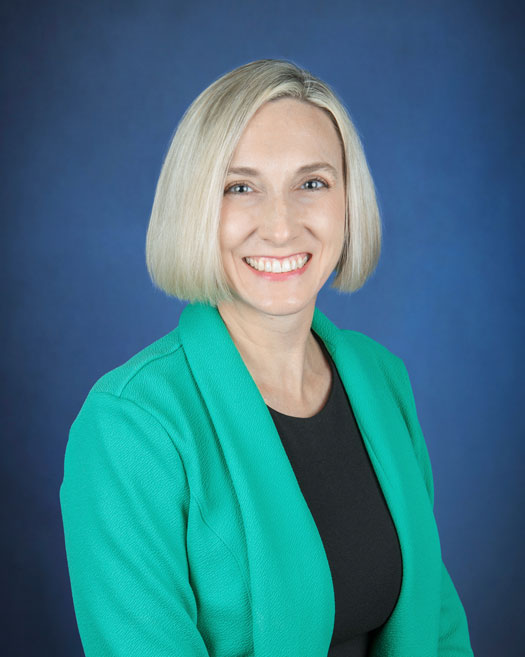
Courtesy of Omni Family Health.
Call registered dietitian Brittany Garcia a food realist. She wants her patients to eat healthy, but she also understands what it is to be human. Instead of expecting people who drink two sodas per day to give up sugary drinks altogether, she simply asks that they moderate their intake, at least for a start.
“Can they then reduce that to only having one?” asked Garcia, who works for Omni Family Health. “Something that they can achieve — something that is measurable.” No doubt bad eating habits are killing Americans. High cholesterol, diabetes and pre-diabetes have reached high levels across the country, along with common lifestyle shortcomings like lack of exercise. Will annual doctor checkups alone solve that? Likely not. So, increasingly, dietitians are taking a different approach that’s more reasonable under the circumstances. They’re asking patients to be mindful about what they eat. The implications are substantial. Rigid rules for preparing meals are out. Self-forgiveness combined with good habit-forming is in. She cited the example of chocoholics who can make it to the bottom of a bag of M&Ms almost without noticing it. “I’d rather you have two small, little M&Ms and allow yourself that instead of having the whole thing,” Garcia said before adding, “Take the time to be aware of what we’re eating.” Don’t confuse her advice with full lenience. What’s needed, she said, is to “allow ourselves some grace.”
The nutrition advice she did offer was flexible but clear. Try serving food on smaller plates — lunch-type plates measuring about 9 inches in diameter instead of the larger ones generally reserved for dinner, the idea being that we tend to bring a visual perspective to eating. Her guidance on what to put on those plates was situational. Try to cover about half the plate with non-starchy vegetables. These may include tomatoes, zucchini, nopales, broccoli, bok choy, eggplant and greens. A quarter of the plate should consist of what she described as lean proteins: salmon or chicken breast without the skin. The last remaining quarter should be reserved for complex carbohydrates such as beans, brown rice, quinoa or corn tortillas. A few recommendations of hers were more firm. That is, avoid fad diets, which she noted can be hard to stick with. Avoid focusing on weight and instead look for long-term achievements like building good habits. For instance, make a goal of eating two cups per day of vegetables, or if that’s asking too much, make a habit of pre-bagging vegetables to take to work for lunch Monday through Friday. “Every little bit makes a difference,” Garcia said.
For additional practical advice, Clinica Sierra Vista’s Nutrition Services and WIC Program contributed a set of dietary recommendations that were less specific than they were workable. Turn snacks into “mini meals.” Snacks go further if they have two helpful components: protein or healthy fat and fiber or “slow carb.”
Clinica said pairing the two stabilizes energy better than a granola bar can by itself. “Think: apple + peanut butter, cheese + grapes, hummus + crackers,” it said in an informational email. Go for smaller portions. Preparing smaller servings can help you avoid overeating “without feeling like you’re missing out,” it said. This way you can still enjoy favorite dishes. Choose whole grains and more fiber. Clinica said swapping white bread or rice for whole-grain versions provides longer-lasting energy and helps keep you full. Pick lean proteins. Chicken and fish offer protein while limiting saturated fats. “You can even opt for plant-based proteins like tofu or beans, which offer just as much protein,” Clinica noted. Try the “two-minute plate reset.” Our inclination may be to head back for seconds right after finishing our plate. But instead, Clinica said, try pausing for just two minutes. “This gives hunger/fullness hormones time to catch up,” it added. “Most people find they didn’t want seconds after all.”